


Everything About Heavy Vehicle Engine Valves! The Importance of Choosing Quality Parts
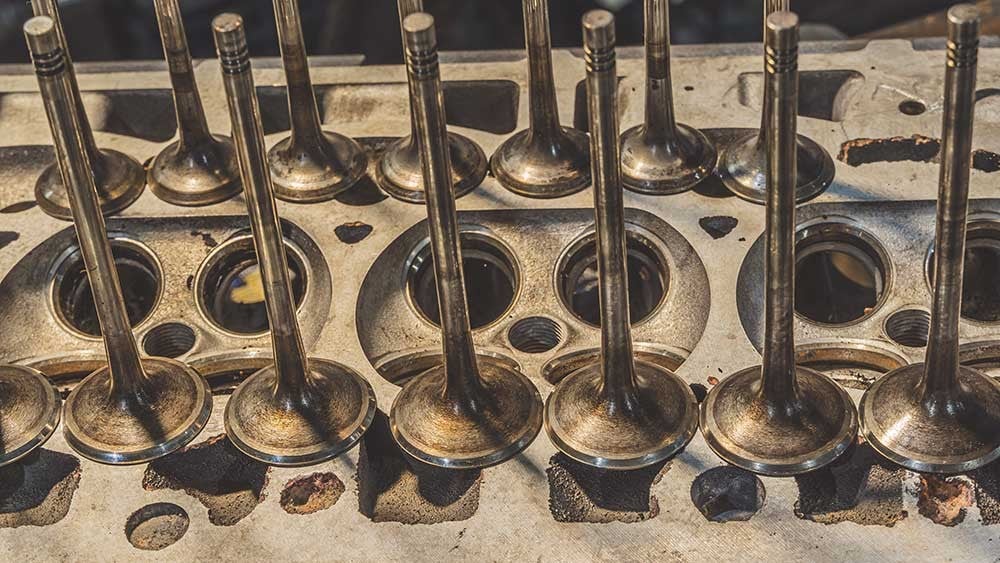
While heavy-duty engines carry massive loads across routes spanning thousands of kilometers, an invisible yet vital orchestra operates inside the engine. One of the most critical players in this orchestra is the engine valves. Valves allow the engine to breathe in and expel exhaust gases, opening and closing dozens of times per second while withstanding extreme temperatures and pressures.
As Mesay Otomotiv, we have stood behind the spare parts counter for 55 years. In this half-century of experience, we have seen that a large portion of engine reconditioning costs actually result from the incorrect selection of valves or valve guides, which are considered “small and inexpensive.” Last year, one of our customers had to scrap an entire engine (including the block, pistons, and cylinder head) after a low-quality valve set he chose simply because it was “affordable” broke a valve head just 10,000 kilometers after installation. As a spare parts supplier, we must state clearly: the valve is the last component inside the engine where you should gamble.
The Function and Working Conditions of Engine Valves
In a heavy-duty engine, there are two types of valves: intake and exhaust valves. Intake valves allow the fresh air mixture to enter the cylinder. Exhaust valves are responsible for expelling the hot gases formed after combustion.
These components are not merely “opening and closing lids.” Exhaust valves are directly exposed to temperatures between 800°C and 1000°C in the combustion chamber. Under such heat, each time the valve closes, it must transfer its heat to the cylinder head (valve seat) to cool down. If the part quality is low, thermal expansion or melting begins in the metal during this heat transfer process, leading to compression leaks and power loss.
Technical Differences Between High-Quality and Low-Quality Valves
When placed side by side in our shop, two valves may look identical. However, the difference lies in the molecular structure of the metal and the production technology.
• Material Quality and Bimetallic Production: Heavy-duty high-quality valves are generally produced using “bimetallic” technology. The valve stem is made of wear-resistant steel, while the valve head is made of a different alloy resistant to extreme temperatures (nimetal or stellite-coated), and these are joined by friction welding. In low-quality parts, to reduce costs, a single weak alloy steel is used. This situation, especially in high-revving truck engines, can cause the valve head to break off and fall onto the piston.
• Heat Treatment and Hardness: The valve stem and tip (where the rocker arm strikes) must be hardened through special heat treatment processes. If this hardness setting is incorrect, over time the valve tip wears out (“mushrooming”) or gets stuck inside the guide, causing the engine to “burn a valve.”
Symptoms of Valve Failures and Diagnostic Methods
When a valve-related issue begins in a heavy-duty engine, the vehicle gives certain signals to the driver. Detecting these signals early can prevent the engine from completely seizing:
• Rough Engine Operation (Popping Sound): Especially at idle, if the engine shakes as if one cylinder is not working, one of the valves may not be fully closing and may be leaking compression.
• Abnormal Sounds from the Exhaust: Popping sounds coming from the exhaust manifold indicate that the exhaust valve is burned or not seating properly.
• Power Loss and Increased Fuel Consumption: If pressure inside the cylinder leaks through the valves, engine performance decreases, and the engine consumes more fuel to compensate.
• Blue Smoke Complaint: If valve seals or guides are worn, engine oil leaks through the valve stem into the combustion chamber, causing the vehicle to emit blue smoke.
Valve Guide and Seat (Insert): The Hidden Heroes
In many engine reconditioning processes, only the valves are replaced, but this is a major mistake. The valve moves inside a guide and sits on a seat insert.
If the valve guide is worn, the valve wobbles side to side during its up-and-down movement. This wobbling causes the valve to strike the seat at different angles each time, leading to rapid wear of both the seat and the valve head. As Mesay Otomotiv, we strongly recommend that customers who order valves also renew the guides and valve seals as a set. If this trio does not work harmoniously, the lifespan of the newly installed part is reduced by half.
Why Is Valve Adjustment Important in Heavy-Duty Engines?
Although most modern trucks now use hydraulic lifters, many heavy-duty engines still require manual valve adjustment.
• Tight Valve Adjustment: If the valve clearance is set with no gap, thermal expansion when the engine warms up prevents the valve from fully closing. A valve that remains slightly open cannot cool down and will “burn” in a short time.
• Loose Valve Adjustment: Excessive ticking noise is heard from the engine. Since the valve does not fully open, insufficient air enters or exhaust gases are not fully expelled. Additionally, the rocker arm striking the valve tip harshly leads to fatigue and breakage.

The Economic Aspect of Choosing Quality Parts
As a spare parts supplier, we always tell our customers: “You pay once when buying the part, once when paying labor for installation. If the part is low quality, you pay a third time by rebuilding the entire engine.”
There is a reason we sell valves from global giants such as Federal Mogul (Nural/Goetze), Mahle, or TRW. These brands remain faithful to the original specifications used by manufacturers like Mercedes, Scania, or Volvo when producing engines. Aftermarket or “no-name” boxed parts do not possess the metallurgical structure required to withstand the heavy loads and long-distance stress trucks face.
Mesay Otomotiv’s Technical Recommendations
To extend your engine’s lifespan and protect it from severe valve-related damage, follow these steps:
1. Do Not Neglect Oil Maintenance: Low-quality or expired oil causes carbon buildup on the valve stem. Over time, this carbon hardens and leads to the valve sticking in the guide (“valve seizure”).
2. Use Antifreeze: If the engine cooling system does not function properly, the cylinder head overheats. The overheated head first damages the most sensitive components — the exhaust valves.
3. Replace the Air Filter: Dust particles entering the system wear down the seating surface of the intake valve like sandpaper.
4. Proper Reconditioning: When replacing valves, the seat grinding (lapping) process must be performed with precision. Zero leakage must be ensured between the valve and seat.
The Engine’s Breath Is in Your Hands
Engine valves are the key to a heavy-duty vehicle’s performance and fuel efficiency. Choosing cheap spare parts may seem like savings in the short term, but in the long run it means the risk of breakdowns and massive repair bills. At Mesay Otomotiv, we do not just deliver boxes; with 55 years of experience, we provide the right parts to protect your engine’s core.
Is your engine experiencing performance loss? Are you planning to renew the valve group (intake, exhaust, guide, seal, lifter)? Contact us with your chassis number. Our technical team will immediately determine the original or OEM-quality valve sets suitable for your engine type. With Mesay Otomotiv assurance, may your engine’s breath always remain strong.
