


My truck is overheating but the fan isn't turning on. What's the problem? Technical Solutions and Troubleshooting Guide.
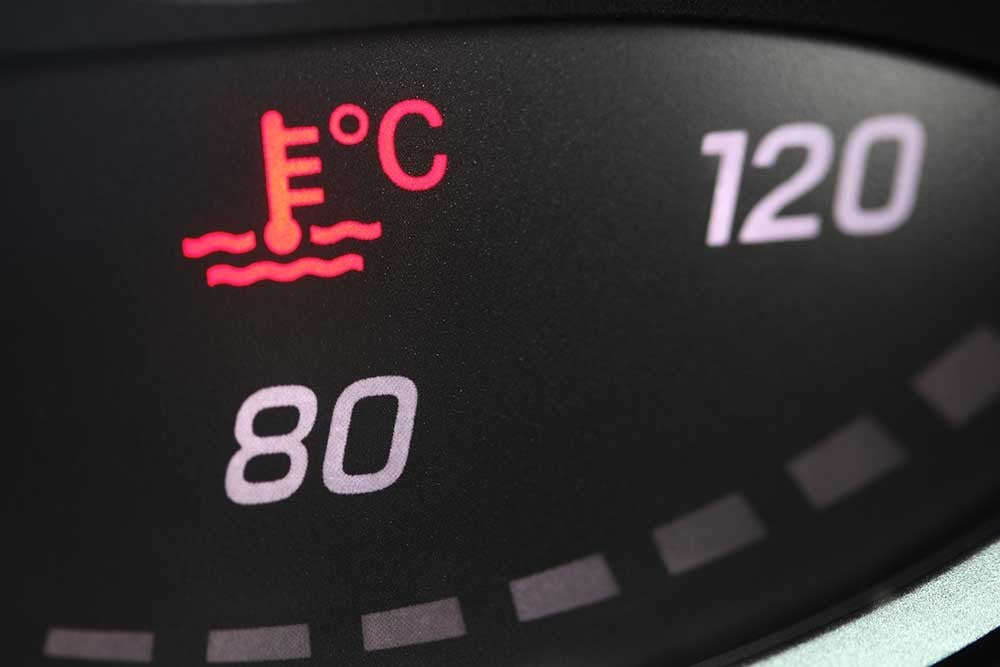
In heavy-duty transportation, the summer season does not only mean hot weather and long roads; it is also the peak period for overheating issues, the engine’s greatest enemy. For a truck driver, seeing the temperature gauge needle approach the 100°C limit and not hearing that powerful, vacuum-like fan “roar” from the front of the engine at that critical moment can mean an invitation to a motor overhaul bill worth thousands of dollars within seconds. Although the first reflex is usually to blame the fan itself, from a professional perspective we know that the underlying causes of a truck radiator fan not engaging complaint can sometimes be much more complex, and sometimes surprisingly simple.
As Mesay Otomotiv, with over 55 years of experience behind the counter in the heavy-duty spare parts sector, we can clearly state this: In a cooling system failure, the most expensive part is the one unnecessarily replaced due to misdiagnosis. In this comprehensive guide, we will detail why a truck overheats and the fan does not activate, focusing on heavy-duty cooling system components, using Google search trend-friendly keywords and real field experience.
Fan Switch and Temperature Sensors: The System’s Decision Mechanism
In a modern truck, the mechanism that decides when and at what speed the fan operates is no longer just a simple metal spring. The fan switch, or more technically the engine coolant temperature (ECT) sensor, measures the engine’s heat with precision and sends this information to the vehicle’s brain (ECU). If this sensor is faulty or reading incorrect values, even if the engine is boiling, the ECU may think “the coolant is still cold” and fail to activate the fan.
Field Observation: “Gauge Is Normal but Fan Won’t Engage”
Many drivers ask us, “My temperature gauge looks normal, but steam is coming from the radiator, why doesn’t the fan turn on?” Some vehicles have separate sensors for the dashboard gauge and for fan control. Or if the sensor remains in “open circuit,” the ECU may switch to a default safety mode but fail to trigger the fan. In the case of a truck temperature sensor failure, the first step is to connect the vehicle to a diagnostic device and compare the coolant temperature read by the ECU with the actual coolant temperature.
Viscous Fan Clutch and Operating Principle
In heavy-duty vehicles, instead of simple electric fans like in passenger cars, massive viscous fan clutch systems powered by the engine crankshaft are generally used. This component is responsible for 80% of the truck’s cooling performance. Inside the viscous fan is a special silicone fluid. When temperature rises, this fluid expands and locks the fan, causing it to rotate at the same speed as the engine.
Hidden Signs of Viscous Fan Failure
• Silicone Fluid Leakage: If you see excessive dust buildup and oily residue around the viscous hub, the internal coupling fluid is depleted. In this case, no matter how hot it gets, the viscous clutch cannot “lock,” and the fan continues spinning freely.
• Bimetal Spring Contamination: The spiral metal spring (heat-sensing element) on the front of the viscous unit loses sensitivity when covered in mud, oil, or dust. If it cannot sense heat, it will not open the internal valve, and the fan will not engage.
• Electronically Controlled Viscous Units: In new-generation Euro 6 trucks (e.g., BorgWarner viscous fan), the system is fully electronic. A broken wire or internal coil failure can completely disable the fan.

Thermostat Failure: Is Coolant Reaching the Radiator?
One of the biggest misconceptions among drivers is immediately checking the fan when overheating occurs. However, for the fan to engage, one condition must be met: the radiator must heat up. If the truck thermostat is stuck closed, hot coolant in the engine block cannot reach the radiator and simply circulates within the small bypass loop.
In this case, even if the engine reaches 110°C, the radiator core and therefore the fan switch remain cold. The system believes the coolant is still cold and does not activate the fan. If the upper radiator hose is extremely hot while the lower hose or radiator core remains cold, the culprit is not the fan but the thermostat. As Mesay Otomotiv, we recommend using Mahle or Behr thermostats during every major service to eliminate this risk.
Electrical and Wiring Issues: Invisible Breaks
Trucks are machines constantly exposed to vibration, high temperatures, and moisture. This causes electrical wiring to deteriorate over time. If your vehicle has a fan not engaging problem, you should check the electrical box before mechanical components.
• Relay and Fuse: Relays triggering the fan motor or viscous solenoid can arc over time, or fuses may blow. A simple check can save you from unnecessary expensive replacements.
• Ground Connection: If the negative connection between the engine and chassis oxidizes, the fan system cannot draw the required current.
• Wiring Harness: Cable bundles running to the front of the engine may wear due to wind generated by the fan or friction.
Radiator Blockage: Is Airflow Restricted?
Sometimes the fan works perfectly, the thermostat opens, everything seems fine, yet the temperature does not drop. The problem may be that the fan cannot draw sufficient air. During summer, insects, dust, pollen, and mud can form a “wall” over the radiator fins.
If the radiator is externally clogged, no matter how fast the fan spins, fresh air cannot pass through the fins. Without proper heat transfer, the engine cannot cool. As Mesay Otomotiv, we strongly recommend cleaning radiators externally with pressurized water (not too close) and special chemicals before each summer season. Internal scaling is another issue; if tap water was used in the past, radiator channels may have narrowed.
The Effect of the Air Conditioning System on the Fan
In most trucks, when the air conditioner is turned on, the cooling fan (viscous or electric) automatically operates at high speed because the A/C condenser (radiator) is positioned at the front and requires cooling. If your A/C is working but the fan still does not engage, this is clear evidence of an issue in the fan control system (ECU or relay group). Conversely, insufficient refrigerant or a faulty A/C pressure switch can also prevent the fan from functioning properly.
Water Pump (Coolant Pump) Performance
The water pump circulates hot coolant from the engine to the radiator. If the pump impellers have eroded due to corrosion or the shaft is slipping, coolant circulation speed decreases, and the coolant cannot cool effectively.
As a spare parts note: Some “cheap” water pumps on the market have impeller designs that differ from the original. This results in insufficient coolant pressure at low RPM, causing overheating especially when climbing hills even if the fan engages. When checking the truck water pump price, always question the impeller design and gasket quality.
Radiator Cap and Expansion Tank Pressure
The cooling system operates under pressure. Under pressure, water boils at a higher temperature. If the truck radiator cap or expansion tank cap cannot maintain pressure, coolant begins to boil at 100°C and air enters the system. With air present, circulation is disrupted and the fan switch may misread due to air pockets. A 50-lira cap failure can burn an entire engine.
Most Frequently Asked Questions by Drivers and Mechanics
Is it possible to manually engage the fan when overheating? Some modifications can lock (bolt) the viscous fan, but this is only an “emergency return” solution. A permanently locked fan increases fuel consumption by 10% and carries the risk of blade failure.
At what temperature should I stop? Generally, 105–110°C is the red zone. If the needle approaches this range and you do not hear the fan, immediately pull over safely and either let the engine idle (if coolant is present) or shut it down.
Does antifreeze prevent overheating? Yes, quality antifreeze raises the boiling point and prevents corrosion and blockage in the system.
Technical Evaluation and Recommendations from Mesay Otomotiv
For 55 years, we have sold parts and spoken with thousands of drivers affected by overheating. We know that solving overheating is detective work. If your vehicle’s fan is not engaging, follow this sequence:
• Check fuses and relays.
• Connect to a diagnostic device and read sensor data.
• Test thermostat operation by checking hose temperatures.
• Clean the bimetal spring in front of the viscous unit.
Is your vehicle overheating? Do you suspect a fan issue or a leaking radiator? Contact us via WhatsApp or phone with your chassis number. Whether Scania, Volvo, Mercedes Actros, MAN, DAF, or Renault, let us resolve all cooling system deficiencies with original-quality parts. With Mesay Otomotiv assurance, may your engine stay cool and your profits steady.
