


Why Do AdBlue Failures Occur in Heavy Vehicles? A Comprehensive Solution Guide to Protecting the SCR System, Ensuring Fuel Economy, and Reducing Operational Costs.
In the world of logistics and transportation, with the entry into force of Euro 6 emission standards, chemical processing procedures have gained vital importance as much as the mechanical structure of vehicles. SCR (Selective Catalytic Reduction) technology, located at the heart of these systems, is commonly known as the "AdBlue system". This system breaks down nitrogen oxides (NOx) in the exhaust gas, which are harmful to the environment and human health, through a chemical reaction and converts them into harmless nitrogen and water vapor. However, as environmentally friendly as this system is, it is equally sensitive and fragile against external factors.
In heavy-duty vehicle operations, AdBlue errors are among the leading failures that cause the vehicle to lose traction at the most unexpected moments, fuel consumption to increase uncontrollably, or the vehicle to enter the protection mode called "Limp Mode" and reduce its speed to levels such as 20 km/h, making operation impossible. A truck being stranded on the road means not only repair costs, but also delayed delivery, a disrupted logistics chain and shaken commercial reputation. In this guide, we will examine the causes of AdBlue failures in heavy-duty vehicles with technical depth and discuss step by step how you can prevent these problems before they occur and how you can optimize your operating costs.
1. Use of Poor-Quality AdBlue: How Is the Chemical Balance of the System Disrupted?
Approximately 75% of AdBlue failures are caused by the liquid put into the tank not complying with standards. AdBlue is not a simple "urea water" mixture; it contains 32.5% high-purity automotive urea and 67.5% deionized water.
• The Difference of Deionized Water and Metal Contamination: In under-the-counter production, using normal mains water instead of deionized water causes calcium, magnesium, sodium and other heavy metals in the water to enter the system. When these minerals encounter the extreme heat of the exhaust, which reaches 300-500 degrees, they petrify. This petrification permanently clogs the pores inside the SCR catalyst and causes the catalyst to lose its chemical function.
• Chemical Imbalance and Sensor Conflict: Even a 1% deviation from the 32.5% urea ratio causes NOx sensors to make "incorrect measurements". When the vehicle brain (ECU) sees that the emission values do not drop to the targeted level, it accepts the system as "inefficient" and limits engine power, even if there is no physical failure.
2. The Crystallization Phenomenon: "Vascular Occlusion" in the Exhaust Line
AdBlue liquid naturally forms white, hard and salt-like crystals when it dries. If the system is not operating under the ideal conditions for which it was designed, this crystallization process turns into a failure machine.
• Low Exhaust Temperature and Idle Problem: If the vehicle is constantly used in the city, in stop-and-go traffic or at very low revs, the exhaust gas cannot reach the temperature required to completely evaporate AdBlue and make it react (approximately 200°C and above). The liquid sticks to the inner walls of the exhaust pipe and accumulates there. Over time, this buildup narrows the exhaust path; this makes it harder for the engine to breathe, increases fuel consumption and raises the load on the turbo.
• Deposits on the Injector Tip: The tip of the AdBlue injector can become clogged due to these crystals. The clogged injector starts to "drip" instead of distributing the liquid homogeneously in the form of a "mist". These droplets create cold spots inside the catalyst, causing more crystal buildup and eventually the complete locking of the system.
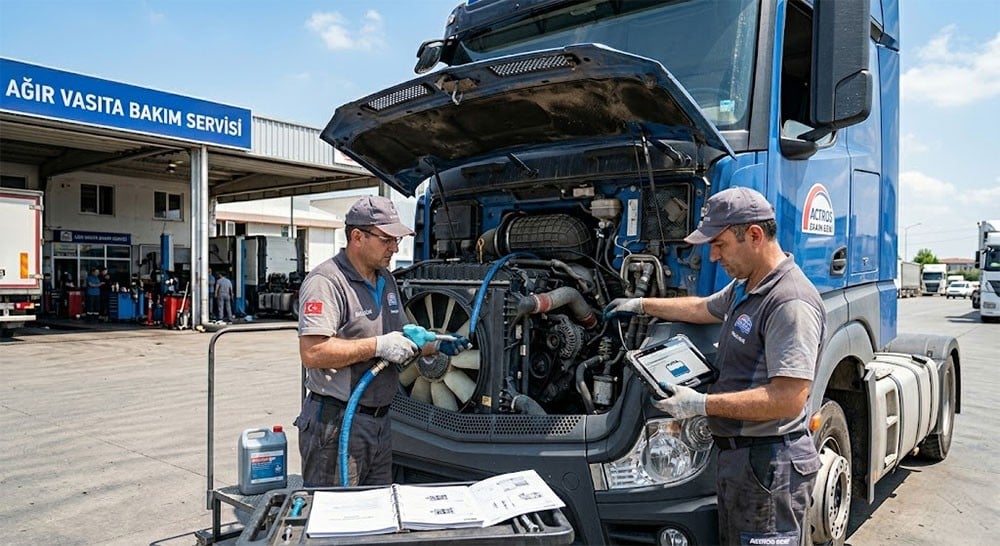
3. NOx Sensors: The Sensitive Sensors of the SCR System
NOx sensors, which are the "brain and eyes" of the SCR system, are positioned at the inlet and outlet of the exhaust line. These sensors instantly report to the ECU how successfully the system performs cleaning.
• Soot and Oil Contamination Factor: If your engine has an oil burning problem or a leak in the turbo section, excessive soot and oil vapors coming from the exhaust cover the ceramic tips of the NOx sensors. The sensor that loses its sensitivity sends incorrect or delayed data.
• Electronic Circuit Failures: NOx sensors may experience breaks in their internal circuits over time due to high heat and constant vibration on the road. When the data flow from the sensor is interrupted, the vehicle may reduce engine performance by up to 40% in accordance with the safety protocol, assuming that it cannot control emissions.
4. Pump Unit, Pressure Losses and Filter Maintenance
The pump, which takes AdBlue liquid from the tank and sends it to the injector at a certain pressure (usually between 5-9 bar), is one of the most expensive components of the system.
• Dry Running and Cavitation: The pump lubricates itself with the AdBlue liquid itself. Keeping the tank constantly empty or at a very low level causes the pump to suck in air and overheat. The pump left without lubrication wears internally and creates metal burrs, damaging other parts of the system.
• Lack of Filter Maintenance: The filter located on the AdBlue pump or in the line captures possible micro particles in the liquid. If this filter is not replaced at every main maintenance interval, the pump draws higher current to overcome this blockage. This both shortens the life of the pump and invites electrical failures.
5. Seasonal Challenges: Heater Resistors and Freezing Risk
AdBlue liquid starts to freeze at -11 degrees. In winter months, this situation can cause physical damage to the system.
• Resistor Failures: Vehicle manufacturers have placed electric heaters in the tank and lines. If one of these heaters does not work during the first start in the morning in winter, the system gives a "liquid pressure is not forming" error. Since the frozen liquid expands, it can burst plastic pipe connections.
• Air Line Contamination: In some older-generation Euro 5 or certain Euro 6 systems, compressed air support is used to spray AdBlue. If the vehicle’s air dryer filter is neglected, humid air going into the system freezes in winter and causes the valves to lock.
6. Critical User Error: Shutdown and Master Switch Procedure
The most common mistake made by heavy-duty vehicle drivers, which seems small but has very serious consequences, is turning off the master switch (current breaker) immediately after shutting down the vehicle.
• Purging Process: After the engine is stopped, the AdBlue pump continues to operate for another 2 to 5 minutes. During this process, it sucks all the liquid remaining in the injector and pipes and sends it back to the tank. This process prevents the liquid remaining in the pipes from freezing or crystallizing by staying in the hot exhaust line. If you turn off the switch immediately, this liquid remains in the lines and appears as a blockage or pump error at the next start.
Operational Recommendations to Prevent AdBlue Failures by 90%
Keeping the SCR system healthy and efficient is actually possible with conscious usage discipline. Here are the golden rules you should pay attention to:
1. Use of VDA-Approved Products: When buying AdBlue, be sure to look for the VDA logo. This logo guarantees that the manufacturer is inspected by the German Association of the Automotive Industry and that the liquid has passed purity tests.
2. Maintain the Liquid Level: Never allow the tank to drop below 20%. This both cools the pump and prevents sediments in the tank from being drawn into the system.
3. Never Use Additives: Be careful against additives sold on the market as "AdBlue crystal preventers" with unclear contents. Although these chemicals may seem like an instant solution, they can damage the internal structure of the catalyst in the long term.
4. Air Filter and Fuel System Maintenance: The engine receiving clean air and burning fuel properly reduces the amount of NOx coming out of the exhaust. This means the SCR system works less and consumes less AdBlue.
5. Master Switch Shutdown Time: After stopping the vehicle, wait for all the lights on the dashboard to go out or do not touch the switch for at least 3-5 minutes. Hearing the system’s "self-cleaning" (purging) sound is a sign that the system is healthy.
In heavy-duty vehicles, the AdBlue system is an engineering marvel that protects the engine and keeps the environment clean when properly maintained and supported with a quality product. However, when neglected, it can open massive holes in your operating budget. As Mesay Otomotiv, we are always by your side with the highest quality and reliable solutions in your heavy-duty vehicle spare parts and technical consultancy processes. Remember; your uninterrupted drive on the road is the result of the small but correct maintenance you perform. We wish you accident-free and prosperous journeys!
